
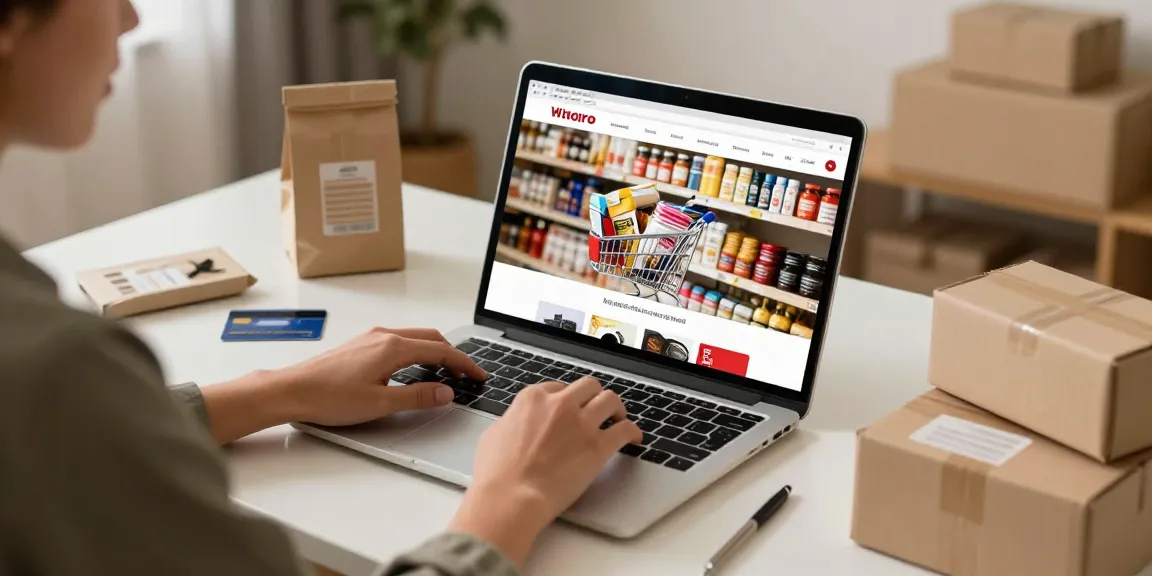
Understanding the Middle Eastern Grocery Market
The Middle Eastern grocery market has seen significant growth, particularly in the realm of online shopping. As consumers become more health-conscious and curious about international cuisines, the demand for authentic Middle Eastern products has surged. From aromatic spices to traditional sweet treats, online retailers have begun to cater to this niche, offering convenience and accessibility that traditional stores may lack. When exploring options, Middle eastern grocery platforms provide comprehensive insights into sourcing quality ingredients, allowing enthusiasts and beginners alike to indulge in culturally rich culinary experiences.
The Rise of Online Middle Eastern Grocery Shopping
One of the primary driving forces behind the rise of online grocery shopping is the changing consumer behavior, particularly influenced by the pandemic. Shoppers have shifted toward online platforms to access products that may not be available in their local stores. This trend is particularly prominent in the Middle Eastern grocery sector, where specializes products like za’atar, sumac, and various halal options are in high demand. E-commerce platforms provide consumers with a wider selection and easier price comparisons, leading to informed purchasing decisions.
Key Trends in 2026 E-Commerce
- Subscription Services: Subscription boxes for Middle Eastern foods are becoming popular, allowing customers to experience different products monthly.
- Direct-to-Consumer (DTC) Model: Many brands are skipping the middleman to connect directly with consumers, offering better prices and exclusive products.
- Sustainability: Eco-friendly packaging and sourcing methods are important trends as consumers become more eco-conscious.
- Mobile Shopping: Increasingly, shoppers are using mobile devices to browse and purchase groceries, making mobile-optimized sites crucial.
Types of Products Available
The range of products found in Middle Eastern grocery stores is vast and diverse. From pantry staples to fresh produce, here’s a closer look at what you can expect:
- Spices and Herbs: These are essential components of Middle Eastern cuisine, with items like cumin, coriander, and saffron.
- Bakery Goods: Traditional pastries such as baklava and pita bread are staple items that reflect the rich baking heritage.
- Packaged Food: Products like canned hummus and tahini provide easy, convenient meal solutions.
- Frozen Foods: Ready-to-cook meals and pastries are popular for their convenience and authentic taste.
- Health Products: Organic and natural options like pure honey and herbal teas cater to health-conscious consumers.
Essential Buying Guide for Middle Eastern Grocery Products
When shopping for Middle Eastern groceries, choosing products that reflect authenticity and quality can enhance your culinary experiences. Below are some essential tips to ensure you select the best items for your needs.
Choosing Authentic Products
To savor genuine Middle Eastern flavors, it’s crucial to select authentic products. Look for brands that prioritize traditional recipes and natural ingredients. Certifications such as halal or organic can also help guide your choices, ensuring quality and integrity. Reading labels and understanding product origins plays a significant role in the authenticity of your grocery selections.
Best Platforms for Purchasing
Different platforms offer varying products, prices, and delivery options. Popular platforms include dedicated Middle Eastern grocery stores as well as larger marketplaces like Amazon. Compare prices, read reviews, and check shipping options before making a purchase. Each platform may have unique offers, seasonal items, or exclusive selected brands, so staying informed can result in better shopping experiences.
Price Comparison and Budget Tips
Budgeting for Middle Eastern groceries can vary widely based on preferences and needs. To get the best deals, utilize price comparison tools or websites that list various grocery prices in your area. Additionally, take advantage of discounts and promotions, which are often available during holidays or special sales events. Keeping track of your spending will help maintain your budget while still allowing you to enjoy various products.
Shipping and Delivery Options for Middle Eastern Grocery
Understanding shipping and delivery options is crucial for a seamless shopping experience. Various online retailers offer different alternatives to cater to diverse consumer needs.
Exploring Local Pickup and Delivery Services
Many e-commerce platforms now offer local pickup options, allowing customers to order online and collect their items from designated locations. This service saves on shipping costs and is faster than home delivery. Consider local grocery stores that might have an online presence and offer these options to maximize convenience.
What to Expect with Shipping Times
Shipping times for Middle Eastern groceries can vary based on distance, supplier, and chosen delivery method. Generally, local orders can arrive within a few days, while international shipments may take longer. Be sure to check estimated delivery dates during checkout to plan accordingly.
Shipping Costs: What’s Normal?
Shipping costs are another essential consideration when shopping online. Many retailers offer free shipping on orders over a certain amount, while others charge flat rates or variable rates based on distance. Always read the shipping policy before finalizing your order to avoid surprises.
Customer Reviews and Testimonials
Customer reviews are a powerful tool in e-commerce, providing insights from other buyers that can aid in making informed purchasing decisions.
Importance of Social Proof in E-Commerce
Social proof refers to the influence that the actions and opinions of others have on individuals. In online grocery shopping, reading reviews can help identify popular products and assess their quality, contributing to increased buyer confidence. Platforms showcasing customer testimonials foster trust and encourage further purchases.
How to Use Reviews to Make Better Purchases
When reading reviews, pay attention to recurring themes, both positive and negative. Metrics like star ratings, the number of reviews, and recent feedback should be considered. It’s also beneficial to look out for verified purchase tags, which indicate authenticity.
Top-Rated Products in the Middle Eastern Grocery Niche
Some of the top-rated products in the Middle Eastern grocery niche include organic olive oil, date syrup, and various spice blends. These items not only reflect the culinary richness of the region but also receive high praise from users for their quality and taste.
Staying Secure: Payment Methods and Fraud Prevention
Ensuring online security is critical when shopping for groceries online. Familiarizing yourself with safe payment methods can help protect your data and finances.
Best Practices for Safe Online Transactions
Always shop from reputable websites that use secure payment gateways. Look for indicators such as HTTPS in the site URL or trust badges. Avoid public Wi-Fi networks when entering sensitive information and consider using virtual payment methods to enhance security.
Identifying and Avoiding Scams
Be cautious of deals that appear too good to be true, as they often are. Research sellers and their product offerings before making a purchase, and ensure that their return policy is fair. Reading customer reviews can also help gauge the legitimacy of a retailer.
Payment Options for Enhanced Security
Cards, PayPal, and even services like Google Pay are widely accepted and offer protection for buyers. Look for platforms that provide payment escalation options in case of disputes, ensuring you have recourse if needed.


