
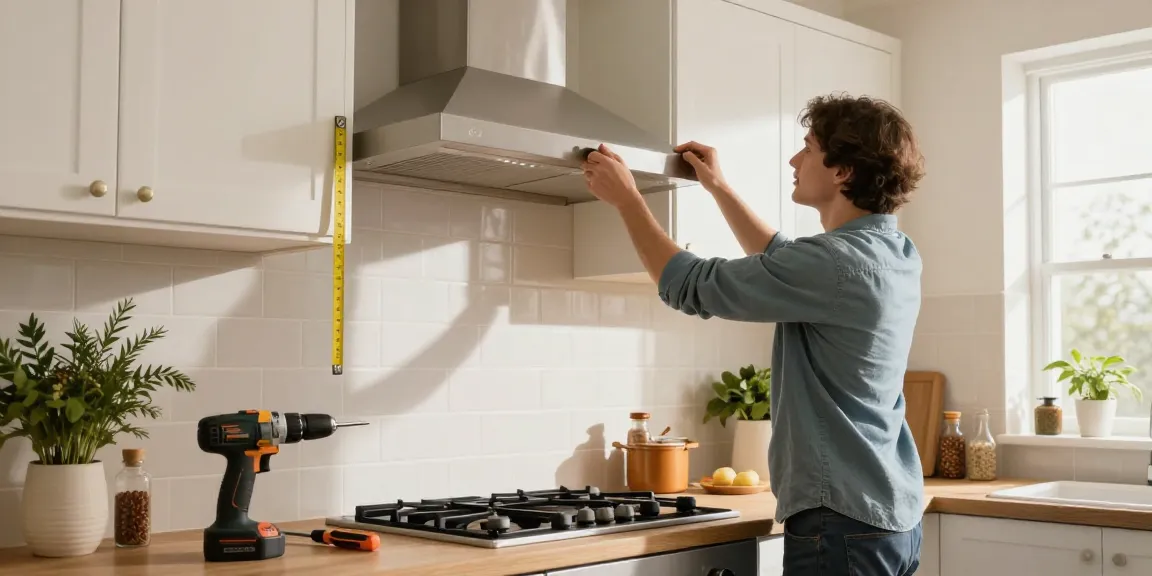
Understanding Exhaust Hood Installation
When it comes to maintaining a clean and safe kitchen environment, the installation of an exhaust hood is indispensable. This essential appliance effectively removes smoke, grease, and odors that accumulate during cooking, ensuring better air quality and a more enjoyable culinary experience. The installation process may seem daunting, but with the right information and preparation, homeowners can tackle this project with confidence. For those considering a DIY approach or seeking professional assistance, knowing the ins and outs of exhaust hood installation is crucial.
What is Exhaust Hood Installation?
Exhaust hood installation refers to the process of mounting and connecting a ventilation hood above your cooking area, typically over a stove or range. These hoods can be ducted or ductless, and they serve the primary purpose of expelling heat, smoke, and airborne grease particles from the kitchen. Proper installation ensures that the exhaust system functions efficiently, protecting both your home’s indoor air quality and your kitchen’s aesthetic.
Importance of Exhaust Hoods in Kitchens
Exhaust hoods play a vital role in modern kitchens. Here are some key reasons why their installation is essential:
- Improved Air Quality: By effectively removing smoke, steam, and cooking odors, exhaust hoods significantly enhance the air quality in the kitchen.
- Safety: Reducing the accumulation of grease and other flammable materials on surfaces minimizes the risk of fire hazards.
- Comfort: A well-ventilated kitchen creates a more pleasant cooking environment by regulating temperature and humidity.
- Home Value: Properly installed kitchen exhaust systems can enhance the appeal and value of a home, making it more attractive to potential buyers.
Types of Exhaust Hoods Available
When selecting an exhaust hood, it’s important to consider the various types available, each designed for different kitchen layouts and cooking needs:
- Wall-Mounted Hoods: These are mounted against a wall and are ideal for traditional kitchen designs.
- Island Hoods: Designed for open-concept kitchens, these hoods hang above an island cooking area.
- Under-Cabinet Hoods: These compact models fit snugly beneath kitchen cabinets, offering a space-saving solution.
- Ductless Hoods: Instead of venting air outdoors, these recirculate filtered air back into the kitchen, making them suitable for spaces without exterior venting options.
Preparation for Exhaust Hood Installation
Assessing Your Kitchen Layout
Before diving into the installation process, it is essential to evaluate your kitchen layout. Measure the dimensions of your cooking area and determine the best location for your exhaust hood. Ensure that the chosen spot allows for effective venting and accessibility. Consider factors such as ceiling height and whether your kitchen can accommodate ductwork if opting for a ducted model.
Gathering Necessary Tools and Materials
Proper preparation includes gathering all necessary tools and materials essential for a successful installation. Common items needed include:
- Drill and drill bits
- Screwdriver
- Level
- Tape measure
- Hood installation kit (if applicable)
- Ducting materials (if installing a ducted hood)
- Electrical supplies (for wired models)
Compliance with Building Codes and Safety Guidelines
Staying compliant with local building codes is crucial during installation. Check regulations regarding ventilation requirements in your area and ensure that your installation adheres to safety guidelines to avoid potential issues in the future.
Step-by-Step Guide to Installing an Exhaust Hood
Selecting the Right Location and Height
The height at which you mount your exhaust hood is critical for optimal performance. Generally, the hood should be installed 20 to 30 inches above the cooking surface for maximum effectiveness. Consider any manufacturer recommendations and adjust accordingly based on your kitchen’s specific needs.
Connecting Ductwork Efficiently
For ducted hoods, connecting ductwork is a crucial step. Select the appropriate duct size and type, and ensure it is as straight as possible for efficient airflow. Avoid sharp bends in the duct to minimize resistance and noise. Use duct tape and clamps to secure connections and guarantee an airtight seal.
Electrical Considerations for Proper Functionality
Many exhaust hoods require electrical wiring for lights and fans. If you are not comfortable with electrical work, it is advisable to hire a licensed electrician. Ensure that all wiring complies with local codes and is safely routed to prevent potential hazards.
Common Challenges in Exhaust Hood Installation
Addressing Ventilation Issues
One of the primary challenges in exhaust hood installation is ensuring proper ventilation. If your hood is not venting effectively, it may lead to lingering odors and smoke in the kitchen. Always check the manufacturer’s guidelines for duct length and layout, and ensure the hood is the appropriate size for your cooking area.
Overcoming Electrical System Limitations
When installing a ducted exhaust hood, electrical system limitations can arise, especially in older homes. You might need to upgrade your electrical panel or add dedicated circuits. Consult with an electrician to assess your system’s capacity and avoid issues during installation.
Tips for Troubleshooting Installation Problems
If you encounter issues during installation, don’t hesitate to refer to the manufacturer’s manual for troubleshooting tips. Additionally, online forums and DIY communities can provide valuable insights from others who have tackled similar challenges.
Future Trends in Exhaust Hood Design and Installation
Smart Technology in Exhaust Hoods
As technology continues to advance, smart exhaust hoods are becoming increasingly popular. Many modern models can connect to home automation systems, allowing users to control settings through mobile apps or voice commands, enhancing convenience and efficiency.
Eco-friendly and Energy-efficient Designs
With growing environmental awareness, eco-friendly and energy-efficient exhaust hood designs are gaining traction. Features such as variable speed fans and energy-efficient lighting contribute to lower energy consumption without compromising performance.
Consumer Preferences Shaping Future Installations
As consumers become more design-conscious, exhaust hood styles are evolving. Sleek, minimalist designs and customizable options are trending, allowing homeowners to integrate hoods seamlessly into their kitchen aesthetics.
Can I install a vent hood myself?
Depending on your skill level and comfort with home improvement projects, you may choose to install a vent hood yourself. If you are experienced with tools and electrical work, DIY installation can save you money. However, it’s always wise to consult professionals for electrical connections and complex ductwork requirements.
How much does it cost to install an exhaust hood?
The cost of installing an exhaust hood can vary widely based on factors such as the type of hood, installation complexity, and regional labor rates. On average, homeowners can expect to pay between $400 and $1,500, with additional costs for ducting and electrical work.
What are the benefits of professional installation?
Engaging professionals for exhaust hood installation can ensure that the job is done correctly and safely. Professionals have the expertise to handle electrical and ductwork requirements, reducing the risk of future issues.
How to maintain and clean your exhaust hood?
Regular maintenance and cleaning are essential for optimal exhaust hood performance. Clean the filters monthly and wipe down the exterior to prevent grease buildup. Consider deep cleaning the entire system at least once a year, especially if you cook frequently.
What factors influence exhaust hood performance?
Several factors can influence the performance of your exhaust hood, including its size, ventilation type, and installation setup. Ensuring that the hood is appropriately matched to your cooking style and kitchen layout will enhance its functionality and efficiency.


